Royal funerary inscriptions
Pyramid Texts in royal tombs at Saqqara, Egypt. Surviving inscriptions preserve ritual utterances; their inscription dates do not prove when every idea originated.
Read the connected account and sources →A timeline of witnesses is not a timeline of origins. We distinguish narrative settings, composition, surviving copies, and collection histories.
Ancient composition dates are often approximate. Place names below describe a textual association or surviving record, not a claim to ownership or exclusive origin. Follow an entry for its source-specific notes.
Pyramid Texts in royal tombs at Saqqara, Egypt. Surviving inscriptions preserve ritual utterances; their inscription dates do not prove when every idea originated.
Read the connected account and sources →The Pennsylvania and Yale tablets preserve selected Akkadian Gilgamesh episodes. Their wording, gaps, and sequence are read through Jastrow and Clay’s 1920 edition, separately from later epic witnesses.
Read the connected account and sources →The Contendings of Horus and Seth survives in Papyrus Chester Beatty I, associated with Deir el-Medina. The narrative’s divine time is not the date of the manuscript.
Read the connected account and sources →Archaic Greek poetry associated with Hesiod and Boeotia. Composition dates are approximate; the text reaches readers through a much later manuscript tradition.
Read the connected account and sources →Heliopolitan creation traditions and the Memphite theology associated with Ptah have different records and historical settings. The Shabaka Stone’s claim to copy an older text is itself part of the evidence to assess.
Read the connected account and sources →Plutarch’s account of Isis and Osiris is a later interpretive witness. It must not silently supply all missing details in earlier Egyptian material.
Read the connected account and sources →The Kojiki and Nihon Shoki were presented in different years and preserve different arrangements and alternatives. Chamberlain’s and Aston’s nineteenth-century translations are later witnesses to these texts.
Read the connected account and sources →Pūrṇabhadra’s recension, edited by Hertel and translated by Ryder, provides this collection’s literary boundary. Its date does not establish the beginning of every embedded tale.
Read the connected account and sources →Iceland: the Codex Regius of the Poetic Edda is usually dated around 1270; Snorri’s Edda was composed earlier in the thirteenth century and survives in later copies.
Read the connected account and sources →The Four Branches and the romances have distinct textual histories. Guest’s Mabinogion also includes the later Taliesin prose story, which this atlas identifies separately.
Read the connected account and sources →Leahy distinguishes manuscript versions, while Joyce’s literary adaptations draw on copies of differing dates. The selected narrative’s record is identified in each entry rather than assigned one age for the whole collection.
Read the connected account and sources →France, German-language collections, Norwegian collecting, and English adaptations of South Asian and Japanese tales. Publication dates and places describe editions, not the first tellings.
Read the connected account and sources →Lönnrot shaped the expanded Kalevala from oral poetry rather than transcribing one performance. This collection reads the resulting literary sequence through Kirby’s translation.
Read the connected account and sources →Beckwith’s collection credits Richard Morgan of the Santa Cruz Mountains and George Parkes of Mandeville for two sticky-trap variants. These local associations matter even when motifs occur elsewhere.
Read the connected account and sources → 01
Hesiod, the Homeric Hymns, and later Greek and Roman witnesses. Births, bargains, divine rivalries, and the histories of the texts that preserve them.
60 entries · Explore collection 02
Gods, giants, and the uncertain future in the Poetic and Prose Eddas. Read medieval Icelandic witnesses side by side.
50 entries · Explore collection 03
Creation spells, royal disputes, journeys, and restoration, grounded in Egyptian texts and carefully distinguished later accounts.
50 entries · Explore collection 04
Named printed witnesses from Europe, South Asia, Japan, and Jamaica. Follow tellers, translators, helpers, and changing endings.
40 entries · Explore collection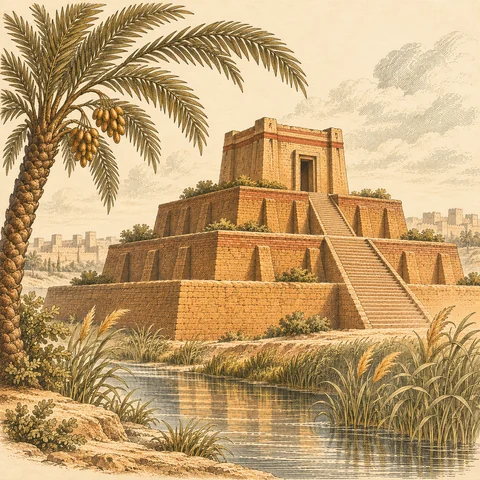 05
Selected Sumerian and Akkadian literary witnesses: divine journeys, city life, heroic encounters, and the limits of power.
50 entries · Explore collection 06
Selected Irish tales in named translations and adaptations: heroic deeds, difficult promises, extraordinary journeys, and contested households.
50 entries · Explore collection 07
The Four Branches, heroic quests, romances, and the later Taliesin prose story, read through Charlotte Guest’s named translation.
50 entries · Explore collection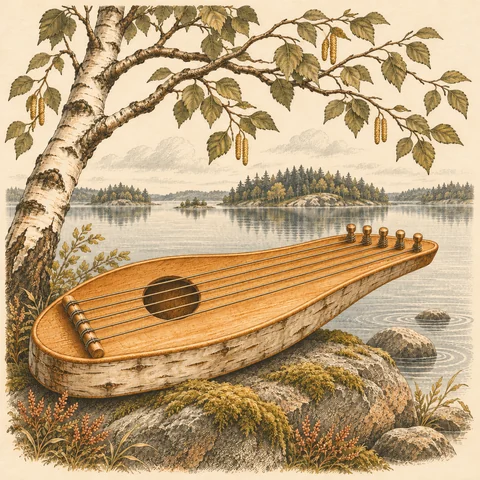 08
The people, journeys, songs, and transformations of Elias Lönnrot’s compiled epic, with individual runos kept in view.
50 entries · Explore collection 09
Selected early Japanese mythic narratives in the Kojiki and related chronicles, with their textual settings and translation choices identified.
50 entries · Explore collection 10
Thirty stories and twenty linked guides to characters and themes in Arthur W. Ryder’s 1925 Panchatantra translation.
50 entries · Explore collection